Ground Cover Planting in Honolulu, HI
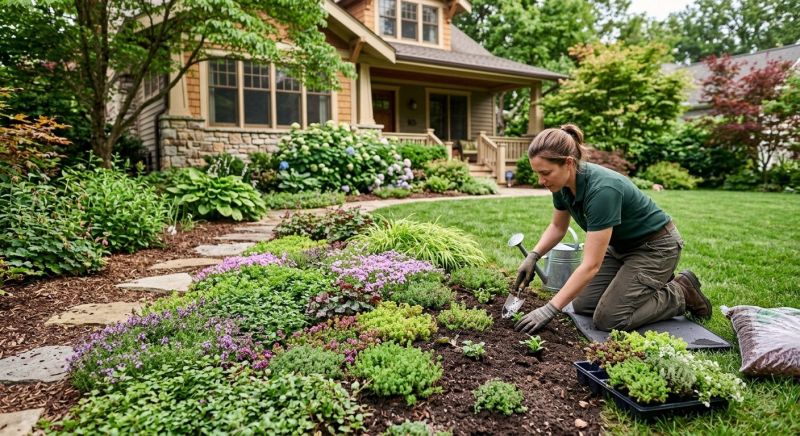
Ground cover planting services involve selecting and installing low-growing plants that spread across the ground to create a lush, uniform appearance. These projects often include establishing ground covers in garden beds, around pathways, or in areas where grass may be difficult to maintain. Property owners typically seek this service to reduce soil erosion, improve landscape aesthetics, or create a low-maintenance, weed-resistant surface that enhances the overall look of outdoor spaces.
Before requesting ground cover planting, property owners usually want to understand the types of plants suitable for their specific climate and soil conditions, as well as the maintenance requirements of different ground cover options. It’s also important to consider the size of the area to be covered, the desired appearance, and any potential challenges such as shade, foot traffic, or drainage. This information helps ensure the selected plants will thrive and meet the landscaping goals of the property.
Many property owners in Honolulu, HI look into Ground Cover Planting for repairs, replacements, upgrades, and appearance-related improvements.
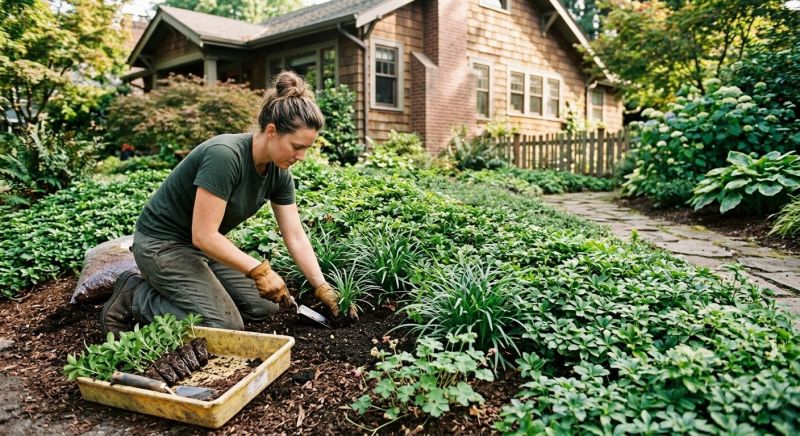
Enhancing Landscape Appearance
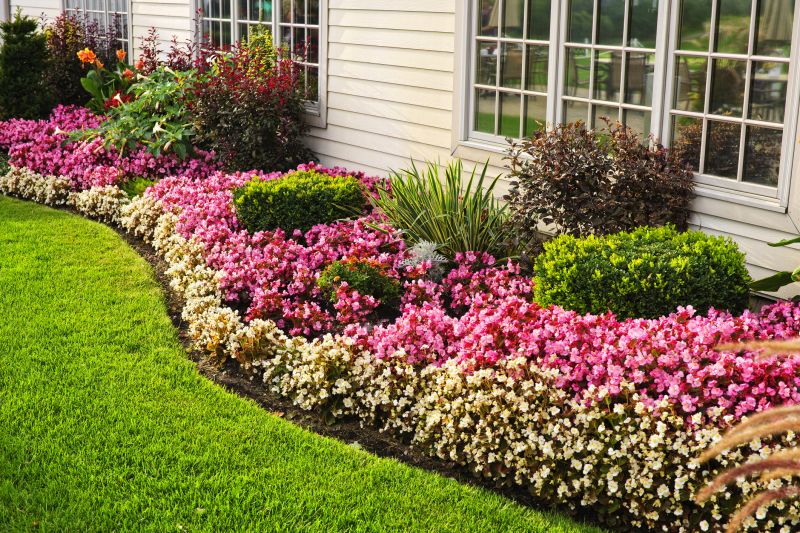
Ground cover plants create a lush, uniform look that complements gardens and pathways.
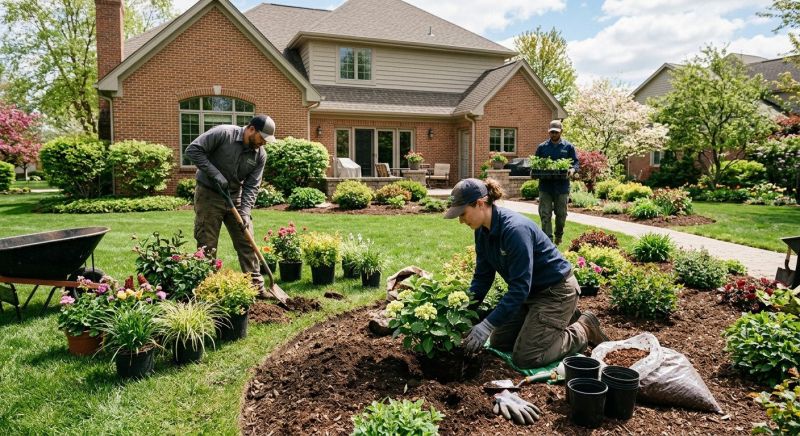
Erosion Control Solutions
Proper ground cover helps prevent soil erosion on slopes and high-traffic areas.

Low-Maintenance Ground Cover Options
Many ground cover varieties require minimal upkeep, ideal for busy homeowners in honolulu and nearby areas.
Ground Cover Planting in Honolulu, HI
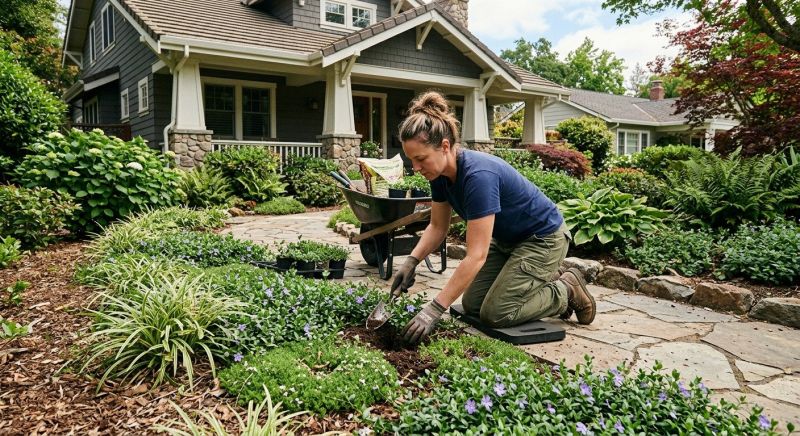
Ground cover planting services involve selecting and installing low-growing plants that spread across the ground to create a lush, uniform appearance. These projects often include establishing ground covers in garden beds, around pathways, or in areas where grass may be difficult to maintain. Property owners typically seek this service to reduce soil erosion, improve landscape aesthetics, or create a low-maintenance, weed-resistant surface that enhances the overall look of outdoor spaces.
Before requesting ground cover planting, property owners usually want to understand the types of plants suitable for their specific climate and soil conditions, as well as the maintenance requirements of different ground cover options. It’s also important to consider the size of the area to be covered, the desired appearance, and any potential challenges such as shade, foot traffic, or drainage. This information helps ensure the selected plants will thrive and meet the landscaping goals of the property.
Many property owners in Honolulu, HI look into Ground Cover Planting for repairs, replacements, upgrades, and appearance-related improvements.
Common Ground Cover Planting Jobs
Ground Cover Planting - adds low-maintenance, attractive coverage to garden areas.
Mulch Installation - helps suppress weeds and retains soil moisture around plants.
Landscape Bed Covering - creates a clean, finished look for planting beds.
Erosion Control Covering - stabilizes slopes and prevents soil runoff.
Pathway and Walkway Covering - provides a durable surface for foot traffic.
Weed Barrier Installation - reduces weed growth and minimizes garden upkeep.
Ground Cover Planting Questions
What types of ground cover plants are suitable for my property? Popular options include creeping thyme, sedum, and certain grasses, which thrive in various soil and sunlight conditions around Honolulu.
How does ground cover planting benefit my landscape? It helps reduce soil erosion, suppress weeds, and creates a low-maintenance, attractive ground layer for outdoor spaces.
Can ground cover plants be installed in shaded areas? Yes, many ground cover varieties, such as certain sedums and moss-like plants, perform well in shaded or partially shaded zones.
What should I consider before planting ground cover? Assess sunlight exposure, soil type, and the desired look to choose the best plants for your specific site conditions.
Request Ground Cover Planting in Honolulu, HI
Use the quote form on this page to share the basics of your project and request more information for the type of work you need.